New York Times Bestselling Author Morgan Housel
“The Psychology of Money,” Wealth and What Actually Makes You Rich
Morgan Housel — Author | Host, The Psychology of Money
Question
What actually makes someone wealthy, and why does behavior matter more than financial intelligence?
Answer
Morgan Housel argues that true wealth is the freedom and independence to control your time and asserts that financial success depends more on behavior, patience and decision-making than intelligence.
Explanation
In this episode of Icons and Ideas, Peter Mallouk talks with bestselling author Morgan Housel about wealth, risk, investing, financial behavior and the lessons behind “The Psychology of Money.”

What You'll Learn
- Why financial behavior can matter more than intelligence when building long-term wealth
- The difference between being rich and being truly wealthy and why Morgan defines wealth through independence
- Why the mathematically "best" financial decision isn't always the best decision for your life
- How risk, expectations, happiness and knowing when you have "enough" can shape financial success
Timestamps
Key Takeaways
- Financial success is behavioral. Intelligence and financial knowledge matter, but how you behave with money can ultimately matter even more.
- Wealth is about independence. Morgan distinguishes being rich from being wealthy by the freedom your financial resources give you over your time and decisions.
- Not every return belongs in a spreadsheet. Peace of mind, stability, flexibility and sleeping well at night can have tremendous value even when they aren't mathematically optimal.
- Lead by example with money. When teaching children about finances, Morgan believes everyday behavior can have more influence than lectures about what they should or shouldn't do.
Transcript
00:00:00:02 - 00:00:21:14
Peter Mallouk
I have really been looking forward to this episode of Icons and Ideas, because I'm here with Morgan Housel, who says, you're the only person that I have given a book to my clients and my kids and my parents, and known all of them are going to absolutely love it. And they all did. And and you've just written several books that have really resonated with people.
00:00:21:17 - 00:00:46:20
Peter Mallouk
Yeah. As someone who's read hundreds and hundreds of financial books, you know, you could tell when you read it that they're read your books, that there's something magical about them. But I have my ideas. What do you why do you think you resonate so much? And not just in the US, but all over the world? I mean, before we started shooting, you're talking about you're in Korea and you're in Brazil and you're going overseas all the time, and people want to hear what you have to say.
00:00:46:27 - 00:00:48:16
Peter Mallouk
What do you think?
00:00:48:18 - 00:01:15:24
Morgan Housel
Well, first, thanks. Thanks for having me. It's an honor to be here and meet you. And thanks for for having me. I think I've tried to do two things somewhat different as an author. The first is I only write for myself, and I always. I want to be in general in life, a selfless person. But when I sit down to write, I want to be the most selfish person in the world and in the sense of I know there's an audience, I know people are going to read this book, hopefully, but they're not the most important part.
00:01:15:26 - 00:01:34:22
Morgan Housel
I want to write for problems that I have in my own life, and with stories that I find interesting. And the only the only person reading it, the only review that matters, it is, is is mine. And I think a lot of times with writing people that the line between knowing your audience and pandering to your audience is very thin.
00;01;34;24 - 00;01;49;06
Morgan Housel
And a lot of people, when they're writing not just a book, but an email to something, oh yeah, will always have in their mind who's reading this and what do they want to hear? What will they understand? And I've tried to completely throw that out as a writer and just say, I, I like this chapter. I like this book.
00;01;49;07 - 00;02;06;21
Morgan Housel
I'm proud of it. And so I think I was I just want to be I think most people are very good writers if they take that view. And most people if they're writing a diary and they and they know they're the only one who's going to read this, there's no other audience. They'd be a very good writer. They'd be a very clear writer, a clear communicator.
00;02;06;26 - 00;02;25;16
Morgan Housel
It's only when you get nervous about the audience that people start kind of going in different directions and using sentence structure that they wouldn't in, in any other format. The other thing that I've tried to do is most finance books are an analytical lecture. They're analytical because they're data and charts and formulas, and it's a very math based topic.
00;02;25;22 - 00;02;34;15
Morgan Housel
And they're lectures in the sense that they tell you explicitly or not. They say you're doing it wrong. If you're doing it wrong, you're an idiot. And here's the right way to do it.
00;02;34;16 - 00;02;35;20
Peter Mallouk
That's basically every finance.
00;02;35;20 - 00;02;48;21
Morgan Housel
Book, and most people don't want to read that. They don't want to be told that the way that they've been doing it their entire life is wrong. And you may have screwed up your entire retirement, and you should have been doing it differently. And you should change everything that you're comfortable with and do something else. They don't want to hear that.
00;02;48;21 - 00;03;08;11
Morgan Housel
It's not fun to read. And so I've rather than giving a lecture on what you should do, I never give financial advice to anybody in a book or anyone else. I'm not in the advice business. You are. But what I've tried to do is say, here's a couple stories about how people think about money, and you can read those stories and contextualize that within your own life, because I don't know you.
00;03;08;14 - 00;03;27;14
Morgan Housel
I don't know your own risks and goals and whatnot. So here's how people think. You figure it out for yourself. And so I think that if it's a if it's a story and it's not analytical, it's a very different form of content. And I'll say it's a different form of content, because when we set out to publish these books, you know, every single publisher rejected psychology and money.
00;03;27;14 - 00;03;50;29
Morgan Housel
Every American publisher turned it down because of what I just told you. It was an analytical lecture. There was no direct advice. And it's so it's such a profound idea in the financial media space that a lot of editors, publishers want every article, blog, podcast book to end with. And therefore you should go take this action. They want to be very prescriptive.
00;03;51;01 - 00;03;57;02
Morgan Housel
And I thought that was bogus. I wanted to do it something totally different. I wanted to write a book that did not give anybody any advice whatsoever.
00;03;57;02 - 00;04;05;00
Peter Mallouk
And it's smaller than a typical book, shorter than the typical finance book. Is that another part with the way you have a hard time selling it because of that.
00;04;05;00 - 00;04;12;09
Morgan Housel
Is definitely shorter chapters. You know, I had been before I published my first book, Psychology Money. I had been a full time professional blogger.
00;04;12;13 - 00;04;14;01
Peter Mallouk
That's how I tell you initially.
00;04;14;01 - 00;04;30;13
Morgan Housel
Yeah. And so I got good over the years that writing an 800 word blog post, you know, fairly short. And when I set out to write the book, I was like, oh, well, now I'm writing a book. Most chapters and nonfiction books are about 5000 words, but I was used to writing 800 words at a time, and I really struggled with it.
00;04;30;14 - 00;04;44;17
Morgan Housel
It was not it was not a length that I was any good at. And so finally, near the end of my deadline of having to turn this thing in, I just said, you know what? I'm good at 800 to 1000 words. That's what I can do. That's as long as my chapters are going to be. So the chapters are 2 or 3 pages long.
00;04;44;23 - 00;04;52;14
Morgan Housel
It's here's a little story. Here's the idea from that story. Here's how you can contextualize that into making better financial decisions. Boom. Move on to the next chapter.
00;04;52;16 - 00;05;10;00
Peter Mallouk
Of all the stories, what what what story do people come back to the most with all the dozens and dozens, maybe hundreds, now of stories you've written, when people want to have you tell one of them again or teach an audience about it, or which ones do you find coming to the surface the most?
00;05;10;03 - 00;05;31;14
Morgan Housel
I think there's there's two that stick out. One is kind of the opening story from The Psychology Money, which is profiling two people, one was, a janitor, just a very humble, no education guy named Ronald Reid who had the most humble life. You can imagine and earned minimum wage and lost his entire career. And when he died, it turned out that he had millions of dollars that he left to charity.
00;05;31;16 - 00;05;53;17
Morgan Housel
And when they dug through what happened, it was like nothing happened here. He just saved, like 20 bucks a month and invested in stocks and left it alone for eight decades. And that was his whole story. And then you contrast that with people who are have the best educations from Harvard and University of Chicago and worked for the biggest investment banks and became vice chairman of Merrill Lynch, was the guy who profiled and went bankrupt.
00;05;53;19 - 00;06;13;19
Morgan Housel
At the same time. And the point I made is like, there's no other industry where something like that happens, where the person who has no education and no background does better than the person with the best education. It doesn't happen in medicine or engineering or anything else. It's a very unique thing about finance, where what really matters is not how smart you are or what you know.
00;06;13;19 - 00;06;18;06
Morgan Housel
All that matters is how you behave. And so if you understand the behaviors like boom, that's all you need to know.
00;06;18;11 - 00;06;32;20
Peter Mallouk
You know, so much of what you write about is behavior. I mean, and so when you're writing, do you you don't really think about it like, hey, I'm going to take something complex and make it simple so somebody gets a lesson that hopefully they they read on their own. They conclude that they should change their behavior. You don't think about it that way.
00;06;32;20 - 00;06;33;01
Peter Mallouk
You're writing.
00;06;33;01 - 00;06;52;08
Morgan Housel
For yourself. I'm writing for myself. I don't have the intelligence to make it more complicated than the simple story that I tell. It really is. I just try to have a problem in my own life that I'm trying to solve. What am I trying to figure out about money and long term investing in retirement that like, oh, I'm trying to figure out how I should do this personally and what's a good story that resonates with me?
00;06;52;10 - 00;07;07;23
Morgan Housel
Boom, that's start to finish. That's what it is. I think it's actually not a rare form of doing art, which is what writing is. I think a lot of comedians are like that as well. They're not sitting down and saying, what does the audience find funny? They said by themselves, or maybe with some of their other comedy friends and be like, hey, that's pretty fun.
00;07;07;23 - 00;07;12;01
Morgan Housel
Let's try that out tomorrow night. It's just if it makes sense to you, it probably makes sense to somebody else.
00;07;12;06 - 00;07;18;28
Peter Mallouk
With psychology of money. At what point? So you release it. At what point do you realize, oh my God, this is taking on a life of its own.
00;07;18;28 - 00;07;34;02
Morgan Housel
I it was right. It was before it even came out, really. The first print run was 5000 copies, which, if you know something about the book industry, like to get 5000 people to pull out their credit card and pay for your work when there's free podcasts galore, it's like, if you can sell 5000 books, that's that's really good.
00;07;34;04 - 00;07;53;22
Morgan Housel
And I think before the book even came out, it did like 25,000 preorders and you're like, so we were like, this is crazy. So now we need to print 25,000 copies. And that was print 25,000 copies that are gone in 48 hours. Now we need to print 50 and then 100. It took probably two years before we caught up with because we just kept expecting the demand to to stop.
00;07;53;24 - 00;07;55;23
Morgan Housel
We just kept going and going and going. Yeah.
00;07;55;25 - 00;08;00;09
Peter Mallouk
Did you feel pressure after that? Like how did your life change.
00;08;00;11 - 00;08;13;03
Morgan Housel
If I broke my life and up, up into like ten different parts? I would say like seven of those parts didn't change at all. You know, like my kids don't love me more. My wife doesn't like it. Like it was like the things in life.
00;08;13;03 - 00;08;14;07
Peter Mallouk
Your wife's not overly impressed?
00;08;14;14 - 00;08;30;05
Morgan Housel
No, not at all. The big things don't change at all. A couple things got better and a couple things got worse. Yeah. And I'm sure this is probably true for the success that you've had in your career as well. And it's it's impossible to contextualize what's going to get worse before it happens. And for me, I'm curious if this is true for you, too.
00;08;30;06 - 00;08;49;06
Morgan Housel
The biggest thing that changed were other people's expectations. And then so when you first starting and you haven't done anything yet, everyone else's expectation of you and your own expectations can be very low and exceeding. That can be pretty easy. Once you've had some level of success. People are like, oh, used to be here, now you're here. You better be here next time, right?
00;08;49;06 - 00;09;04;12
Morgan Housel
And if you're not, we're going to be disappointed in you. That's that's a tough thing to do. I still try to stay in my own head like the own internal benchmark of like, right. Other people's view of me. I'd be lying if I said I don't care about it, but I'm mostly concerned with like, I like that book.
00;09;04;14 - 00;09;17;11
Morgan Housel
Yeah, I've published three books. The last two did not sell as well as the first one, but I really liked the last two, right? Especially my second book. I loved it, I was so proud of it. And again, I think that's the benchmark that matters of that matters to me the most.
00;09;17;11 - 00;09;28;08
Peter Mallouk
So in the terms of, of most of the important things stay the same. You know, family, wife, kids, friends, all of that. But you're saying that the expectations got worse. Anything else? Or is everything else better?
00;09;28;10 - 00;09;48;04
Morgan Housel
No, I, I think what maybe has gotten better is, you know, I think I had a tremendous amount of career anxiety before I started publishing books. It was I always felt like things are going okay now, but I am one email away from things being really not okay, and especially after I had kids and it was like, it's not just my own ego anymore.
00;09;48;04 - 00;10;04;12
Morgan Housel
I got I got a family to take care of now and that I think for a lot of people, but maybe more for me, more than average. I had a lot of anxiety about, am I going to make this work? What's great about writing is that it meets a very unique career. How many of my friends from college went on to become bloggers and authors?
00;10;04;12 - 00;10;19;13
Morgan Housel
Like zero? None of them. And so since there's not an obvious career path, if you want to go be an accountant or an investment banker, there's a clear career path. You do this for two years, you get promoted to this level. It's a very clear cut. You might not make it, but it's clear what the path is for an author.
00;10;19;13 - 00;10;33;03
Morgan Housel
It's like, you just go figure it out for yourself. There's no path whatsoever. And because of that, I think I always had a lot of anxiety. It's like, I don't know if I'm going to be able to pull this off because I don't even know what this is. There's no bad. I don't even know what I'm doing, especially before I wrote books.
00;10;33;03 - 00;10;51;17
Morgan Housel
And people ask me what I do and I'd say I'm a, I'm a, I'm a blogger, you know, for a lot of people, particularly older people that I didn't know, that was a profession. Right. Like people pay you for that. And that's like and so that gave me a lot of anxiety and a racing that it's not that I'm happier that's there's a difference between being happier and removing anxiety in life.
00;10;51;17 - 00;10;54;29
Morgan Housel
So it's not happiness, but it's a higher quality of life when you take it away.
00;10;55;00 - 00;11;14;01
Peter Mallouk
So I get a lot of your writings to me, so I think so you're writing for yourself, but I'm just going to say I think a couple of your gifts you have many are you make things simple and understandable, and I think most people, they think that they're they come across as smart if they use big words and make things very complex.
00;11;14;01 - 00;11;34;19
Peter Mallouk
And I find it to be quite the opposite. So I found I find everything you write to be refreshing because of that. And then second, because the message is really about the person, not the investments is to me when I read them, it's I will tell you a story, but you can be a better person if you take a lesson from the story.
00;11;34;19 - 00;11;53;22
Peter Mallouk
So you might not be trying to make those things happen. But I think it's a big, big key to your success. I know that's why I give it to my kids and my clients and my parents. I want them to go, hey, there's going to be lessons in here. That might not be the same ones I took away, but you can't you can't read a collection of your works, which is where basically I see all your three books is basically that.
00;11;53;22 - 00;12;13;00
Peter Mallouk
Yeah, like you can't read them or not walk away with a couple lessons that don't change the way you think about the world and yourself, or your attitude about the way that you approach things. Do you do you really when you look at the investment world and you don't you don't give advice, but maybe you can give me some color.
00;12;13;03 - 00;12;25;17
Peter Mallouk
How do you see the investing world? There's all this stuff out private investments, public investments, active, not act, tax, manage, whatever. Do you have a personal just world view on all of this, or is this just not something that you like?
00;12;25;17 - 00;12;50;08
Morgan Housel
No, no, I think in general, we're very fortunate to live in a world where, in my view, we've solved investing. Now, that was not true 50 or 100 years ago. If you were a dentist 100 years ago and you wanted to invest, your options are pretty limited and you would go to some stockbroker who was going to charge you, who knows how much fee, and the stockbroker would put you in whatever choice stocks they wanted to put you in or that they were getting kickbacks for is a very imperfect way to do it.
00;12;50;08 - 00;13;10;23
Morgan Housel
And a lot of people didn't have very much success with it. And you fast forward to today, where you can literally open an account with $100 and buy a low cost, diversified index fund. We solved investing. We figured it out. We understand what works, what doesn't, and the products are there for everybody. Every single person on the street down there can invest in a low cost, diversified way.
00;13;10;23 - 00;13;31;22
Morgan Housel
Amazing. But we've solved investing. We have not been solved. We have not solved the investor. Right. And like the behavior is, is not only not only not better than it was in many aspects. It's worse, particularly for young people where a lot of the investing platforms that are out there, are explicitly geared around gambling and not long term investing.
00;13;31;22 - 00;13;50;26
Morgan Housel
It's like, how much can you trade and just flip it over as fast as you can? And products designed for that cohort. And so even if investing isn't solved, the investor is not. And maybe it's similar to something like nutrition like we understand a lot about nutrition, but people still make choices about what they're going to eat. That like that part still hasn't been solved yet.
00;13;50;26 - 00;13;52;26
Morgan Housel
I think it's a similar, similar thing.
00;13;52;26 - 00;14;09;29
Peter Mallouk
I think the tragedy for the younger investor is they're just bombarded with the wrong information. And I think that, like, not just are there more things out there that are gambling oriented, even investing, not just pure gambling, but even some of the investments, many of the cryptocurrencies, if not all, but at least many of them, they're just gambling.
00;14;09;29 - 00;14;29;10
Peter Mallouk
And then you have the people that are getting the most attention and the most influence online are people that are promoting things that are just absolutely ridiculous. And it's so frustrating to watch, you know, a billionaire promote a cryptocurrency that is everyone knows isn't going to work. I'm not talking about Bitcoin. I'm talking about like stuff that everyone knows is like.
00;14;29;11 - 00;14;44;06
Peter Mallouk
And just to get some clicks and then some kid, you know, I'll be talking to university and all the time someone will raise their hand and go, but so-and-so online says, and it just, you know that if you're getting a lot of your information that way, and there's nothing wrong with getting information online, it's just the people giving it to use.
00;14;44;06 - 00;14;52;04
Peter Mallouk
Incentives aren't aligned with you. And I just, I it's a treacherous world. I think if you don't have somebody that you can really learn from helping you navigate all.
00;14;52;05 - 00;15;12;05
Morgan Housel
Yeah. I mean, if you if your take on the market is buy a low cost diversified portfolio and leave it alone to the point of neglect for 30 years, watch how many times you get asked to go on TV, right? Watch how many newsletters it's not going to sell whatsoever. Yes, it's the person who pounds the table with a sense of not only confidence, but this is going to happen.
00;15;12;05 - 00;15;28;22
Morgan Housel
That's right. This stock is going to double. That's who gets it all the time. Because on the panel with pundits is like people think they want good advice, but what they really want is advice that sounds good. That's a Jason's why quote. I love that idea. And the advice it sounds the best is never going to be the advice that you actually need over time.
00;15;28;25 - 00;15;48;05
Morgan Housel
Right? And particularly for a 19 year old who doesn't have the experience of understanding how this works, their brain isn't even fully developed at that point. And there's two theories for why Gen Z is so gambling oriented right now. One is that there's a well known thing in psychology where if you think all of your options are bad, you become very risk seeking.
00;15;48;07 - 00;16;04;21
Morgan Housel
And so through the mind of a 22 year old, let's say, if they think that they can go get a job and work hard and get promoted and buy a house when they're 28, they will do that. If they think that option is not available to them, they'll throw it all on black. Why not? And so that's one theory of it.
00;16;04;26 - 00;16;09;28
Peter Mallouk
The other thing that is, you think that generation, a significant part of a generation is hopelessness.
00;16;10;00 - 00;16;25;28
Morgan Housel
I think it's true. I think you get I think a lot of that is is documented in the surveys of how they feel about it relative to other generations. Now, I would think if you went back to the 1970s, the baby boomers were very pessimistic on the state of the world. When there was vacuum inflation, when my generation kind of post 911 financial crisis.
00;16;26;05 - 00;16;43;00
Morgan Housel
That was not a fun time to be looking at the state of the world. Is it any different now? Like most people, when they graduate college and they realize how real, the stakes are in front of them and how uncertain and frazzled world is and childhood is over, that can be a difficult time for every generation of Gen Z is any different.
00;16;43;03 - 00;16;59;25
Morgan Housel
And maybe to that point, I think if my generation, my parents generation, if they had access to Robinhood call sheet polymath, they would have done the same thing. Yes, they would have done that. So it's nothing unique to Gen Z today. It's just they have the opportunity to gamble in ways that previous generations did not.
00;16;59;27 - 00;17;15;18
Peter Mallouk
So we were talking about stories earlier and you mentioned a couple of them. One story that I think I don't know if was a breakthrough story for you, but it definitely you blogged about it first, and it seemed to me to get a huge amount of attention. You put it in your book to the avalanche story, and I know it's a tragic story.
00;17;15;21 - 00;17;21;24
Peter Mallouk
I don't love telling it, but I think you've referenced it in shaping your thinking quite a bit. Right. You mind sharing that?
00;17;21;29 - 00;17;44;13
Morgan Housel
So I grew up as a as a ski racer in, in Lake Tahoe, California, as my whole childhood, teenage years. And it was an awesome, awesome childhood. We really myself and my friends who did it more or less bypassed high school so that we could skate ski six days a week. We did like an independent study program that pretended was high school, but we skied six days a week, ten months out of the year, went to New Zealand and South America during our summer there.
00;17;44;13 - 00;18;04;26
Morgan Housel
Winter was awesome, awesome upbringing. And, you know, we were we were we were very good skiers and we were teenage boys at the time. So you put those two things together. We took enormous risks that we didn't really think that much about because we were 17. And, so a lot of what we did was skiing out of bounds, where you duck under the ropes that say, do not cross.
00;18;04;26 - 00;18;22;24
Morgan Housel
And that's where the good skiing is. It's like untracked. You get the place to yourself, and when you get to the bottom of an out of bounds area, there's no chairlift. So we would do this all the time and you get to the bottom, we'd hitchhike back and so we'd ski out of bounds, hitchhike home as it's so cool that this air, this like feeling of of of, being a rebel.
00;18;22;29 - 00;18;47;28
Morgan Housel
And it was a good skiing. Like, it was really cool. So we did this quite a bit. And this was, February 2001. There was a huge storm that came through Lake Tahoe, and the layering of the storm was really important. The the base, the bottom layer of snow was very light and fluffy. And then it was a wet storm that came on top of that heavy, heavy storm of snow on top of the light snow that makes the mountain very fragile.
00;18;48;01 - 00;19;04;16
Morgan Housel
It makes the snow very avalanche prone. So my my two best friends and I were skiing out of bounds. And as we're skiing out of bounds, we triggered a small avalanche that came up to our knees and we were like, all right, this is awesome. Just like it's like a roller coaster going down. And it's a crazy feeling.
00;19;04;16 - 00;19;07;21
Morgan Housel
You have no control over your skis at that point. And the snow is pushing.
00;19;07;21 - 00;19;10;21
Peter Mallouk
You and you have you're no fear at this. You're at that.
00;19;10;21 - 00;19;29;15
Morgan Housel
Point. Yeah. No, we it was the first time I had experienced an avalanche, but again, it came to our knees like, that's not not, you know, there's fun. We get down to the bottom, we hitchhike back. My two friends, Brendan, Brian said, that was awesome. Let's go do it again. And I said, I don't know why I said this is probably the hitchhiking noise freaked me out.
00;19;29;18 - 00;19;44;22
Morgan Housel
The avalanche didn't freak me out. The hitchhiking did. And so I said, hey, I don't want to do it again. Brendan, Brian, why don't you go do it again? And instead of hitchhiking back, I'll drive around the mountain and pick you up. So we went our separate ways. 20 minutes later, I go to pick them up and they weren't there.
00;19;44;25 - 00;19;59;00
Morgan Housel
And I didn't think anything of this was before cell phones. If you didn't know where your body was, you didn't think twice about it before cell phones. It was like nobody knew where anybody was. Right? And so I figured they hitchhike back the I was a little bit late picking them up. They already left. I didn't think anything of it.
00;19;59;03 - 00;20;19;09
Morgan Housel
Later in the day, no one had seen them. No one had seen them. Several hours later, Brian, one of the guys, his mom called me at home and she said, hey, Brian didn't show up for work today. Oh, and Brendan, my other friend, didn't show up for a dentist appointment. Do you do you know where they are? And I said, you know, we skied on the out of bounds backside of Squaw, and I was going to pick them up, but they never showed up and I haven't seen them yet.
00;20;19;11 - 00;20;35;11
Morgan Housel
And Brian's mom was an expert skier. She instantly pieced together what almost, almost certainly what happened here. And so it was a couple hours later, I remember we called, but someone called the police and the police came and they're like, look, 99% of the time this happens. The guy ran off with the girl for a night, or they're drunk at a party or something.
00;20;35;13 - 00;20;48;21
Morgan Housel
And then we are sitting in the ski team locker room and I said, that's I can I guarantee you that's not what happened, because their sneakers are right there and this point, it was like 10:00 at night. And I was like, their sneakers are right there. That means they're ski boots are on their feet. And it's 10:00 at night.
00;20;48;21 - 00;21;05;29
Morgan Housel
Pitch dark outside piece everything together. They got search and rescue involved. Went out on Martin out. And at like midnight they had these giant floodlights to go look for them. And as soon as Search and Rescue got up to the out-of-bounds area where they skied, they flipped on the floodlights and it was like half the mountain had been torn away.
00;21;06;01 - 00;21;25;02
Morgan Housel
Like the fresh scars from what? It's clearly just like a massive avalanche that had just occurred. And it only took them a couple of hours. They brought the search dogs out and, the search dogs kind of like, homed in on an area. And the rescuers had these proposals where they just probed down and they found them the next morning that they were under six feet of snow.
00;21;25;04 - 00;21;48;00
Morgan Housel
And, so we were 17 at the time. And I think I always have to tell the story like whenever I tell the story, like you and everyone listening has lost somebody. Like, I'm not unique in that sense. Maybe the circumstances were interesting, but everyone's lost somebody in a tragic accident, you know? And but one of the things I did think about, and I didn't want to be too, too cheesy to, like, tie this to an investing lesson.
00;21;48;00 - 00;22;08;15
Morgan Housel
Right. But we knew when when we were 17 that what we were doing was dangerous, but we thought the cost of the like of the risks that we were taking, the downside was like was that we'd get caught. Yeah, that that was that was the downside that we were trying to protect was like, someone might catch us skiing out of bounds and arrest us.
00;22;08;17 - 00;22;27;22
Morgan Housel
That was never did we think the consequences of the risks that we would take were that we die like, never, ever, ever did that ever cross our minds. And so it's this idea that, like the average risk in your life that you're thinking about probably doesn't matter. It's the out of the blue 1 in 1,000,000 risk that you need to focus on avoiding.
00;22;27;24 - 00;22;45;04
Morgan Housel
And that could be true for a lot of things in life for investing, like the average loss doesn't matter, getting wiped out because you invested on margin, that will change your life. That's what you need to avoid. Like the big tail events are the only thing that matters in life and investing. And sometimes you'll learn that the hard way.
00;22;45;07 - 00;22;53;21
Peter Mallouk
So you touched on investing. Tell me in life like what other what other tail risks do you think about now differently having been shaped that way at such a young age?
00;22;53;27 - 00;23;10;15
Morgan Housel
There's thing I heard the one time that you only live once, YOLO is just as good a reason to not do something right as it is to do something. That's a very good. That's a very good reason why people say that. Like they're like, oh, just just go do it. All right? YOLO, don't do it. Right. And so I think I think about that.
00;23;10;22 - 00;23;27;06
Morgan Housel
And though I do take risks, I most of my money is invested. And there's things that I do and but you know I always think about like not what is the average risk. But what is the worst case scenario that I can avoid here. And sometimes in life? No. Like by definition, you can't avoid the biggest risk that you don't see coming.
00;23;27;08 - 00;23;45;21
Morgan Housel
A lot of times what it is would be like making peace in your head with what the worst case scenario could be. If you know you can't avoid it, just making peace with whatever it could be. And that just I think for a lot of people, it pushes them towards focusing on what really matters in life. They're so focused on the next promotion, their net worth, what it might be like.
00;23;45;25 - 00;23;49;12
Morgan Housel
Look, you got your family, you got your health. Like none of that's going to matter.
00;23;49;12 - 00;23;53;25
Peter Mallouk
After that, you've got a very stoic, view of the world is that a fair?
00;23;53;28 - 00;24;13;04
Morgan Housel
I think I try as stoic as much easier said than done. It is. You know, the actual Stoics used to, like, daily envision what it would be like if their children died. Right? I mean, that's that's for them, not me. Right? They would do it because on the idea that, like, prepare for every opportunity that could happen. And then when it does happen, you're okay with it.
00;24;13;06 - 00;24;17;25
Morgan Housel
So they got really extreme with this stuff. I think I like stoic light.
00;24;17;27 - 00;24;23;09
Peter Mallouk
Yeah. That almost feels like inviting, unnecessary suffering. Yeah I'll pass I'll pass on that.
00;24;23;09 - 00;24;28;12
Morgan Housel
I think they intentionally suffer so that when a real risk happened, they didn't even know it. Interesting.
00;24;28;16 - 00;24;45;07
Peter Mallouk
So talk about risks entail risks. And you were talking earlier about people, hey, we solve the investing problem but not the, the the investor problem. What is it you think about wealthy people that they just that blow up. We hear story after story about the wealthy person who lost everything. What do you what do you think it is that drives that?
00;24;45;10 - 00;24;54;28
Morgan Housel
I think for a lot of people, it's not necessarily being rich that they like. It's the process of becoming rich that feels really good. And because of that, what they like is the upward slope.
00;24;54;29 - 00;24;57;06
Peter Mallouk
Yeah, well everybody did everything right. Yeah. Right.
00;24;57;12 - 00;25;14;27
Morgan Housel
And so if there is no finish line at which you're like, oh now, now it's got enough. Now this right, they're always going to keep going and keep going and keep going. And for a lot of those people keep going will mean they take too much risk. That blows up in their face. They had too much ambition and then their personal life falls apart.
00;25;14;29 - 00;25;35;11
Morgan Housel
It'll be something where they misunderstood the cost of the ambition that they had. Will Smith, the actor, had this really good framing where he said becoming famous is the most amazing feeling in the world. Being famous is merely okay, and losing fame is one of the most miserable experiences that you can have. But I think wealth is like a very similar thing.
00;25;35;11 - 00;25;52;18
Morgan Housel
You only enjoy the upswing or you enjoy it more than you do the having the actual wealth. And so if there is no satiation, there's no sense of enough. You just but but you think there should be. And you constantly tell yourself, you know, when you're young, you're like, if I had $1 million, all my problems would go away.
00;25;52;25 - 00;26;11;24
Morgan Housel
And then you get there and you're like, oh, 10 million. Okay, 100. Now you just keep going because you're always telling yourself that at the next marker, then you're going to be good, then everything's going to be great. A lot of it is, I think, money is such a tangible way to measure how you're doing in life that we use it as the ultimate metric, even if you know it's not.
00;26;11;27 - 00;26;28;22
Morgan Housel
And so if I said I want to become a 10% better dad, it's a very good goal. I'd love to be a 10% better dad. But what is that? What is that even how do you track that? How do you compare? My dad scored a year like there's no way to do that. But if I said I want to increase my net worth by 10%, you can track it down to the penny.
00;26;28;25 - 00;26;51;01
Morgan Housel
Yeah, and compare mine to yours like it's a very. It's so tangible that it becomes the ultimate yardstick of how you're doing in life, even when you know it should not be. And so for a lot of wealthy people, I think it can drive them crazy if they're like, look, by this metric, I'm off the charts, but by health, family, purpose, whatever it might be, maybe I'm merely okay if not struggling, and that can drive them crazy.
00;26;51;01 - 00;26;53;17
Morgan Housel
If by the ultimate metric, they're doing great.
00;26;53;19 - 00;27;11;13
Peter Mallouk
I learned this from my clients, is that when they're if they've got a successful business or they can partner in their firm and all of that stuff is so fun, exciting and exhilarating. And then they get there and then people are coming after them. And so a little bit of the gloves off or now if everyone's got an opinion, you know, so there's there's praise, but now there's criticism that comes with it.
00;27;11;13 - 00;27;36;02
Peter Mallouk
When you're not so successful, there's not that criticism. And then you're worried about losing that position. And so there's that. Yeah. That it's so you see these people I'm sure that's what Will Smith is talking about. So whether you're looking at fame or politics or business or sports, I mean the path to the top, it's going to be so much fun that but for a lot of people, and I've just seen this with my clients when when you're there, it just you look around and go the friendships haven't changed, my family hasn't changed.
00;27;36;02 - 00;27;43;21
Peter Mallouk
But this maybe isn't what I everything I thought it was cracked up to be. And maybe if you're too ambitious, as you said, you paid the price with the family and the friendships.
00;27;43;21 - 00;28;02;16
Morgan Housel
I mean, for the vast majority of very wealthy people, the reason they got very wealthy is because they made enormous sacrifices in other aspects of their life. Not not everybody, but the majority. That's the case. You know, the podcast founders. Yes. Yeah. Phenomenal podcast he's interviewed or his profile, I should say, 400 of the greatest entrepreneurs of all time.
00;28;02;18 - 00;28;19;03
Morgan Housel
And of those 400, David will tell you there is only one guy named Thorpe that he genuinely said, I wish I had his life insurance. The other 399, he would say, you had like amazing success. You built an amazing company, you became very wealthy, and I would never want your life right.
00;28;19;04 - 00;28;21;23
Peter Mallouk
If you paid a big, big price, huge price.
00;28;21;23 - 00;28;41;18
Morgan Housel
And I think, I think this is especially true for young people, where when you're choosing your role models, you have to be very careful to make sure that you're not admiring someone who made a sacrifice that you are unwilling to make yourself. And it's a good quote from the comic Jimmy Carr, where he says, everyone's jealous of what you got, nobody's jealous of how you got it.
00;28;41;20 - 00;28;46;20
Morgan Housel
And that's I think, I think that's a something that's greatly overlooked among among wealthier people.
00;28;46;27 - 00;28;58;15
Peter Mallouk
Right. And yes, to something is and notice something else and the yes, yes, yes, yes, yes to success usually almost always but not always. Almost always has that price that's being paid.
00;28;58;15 - 00;29;18;09
Morgan Housel
And I can I could frame it as like I am very pro ambition. I like I want the young people that swing for the fences and like, achieve as much as they can. I also think there's something missing in the world where we should be very, okay. And content with, average media and even mediocre life. That can be a lot of value to that.
00;29;18;09 - 00;29;31;23
Morgan Housel
If you're going to get the most value in life from your friends, your kids, your spouse, your health like going for walks, that's like, do you get a lot of value out of that? You can have a wonderful life. 100 sitting in media and statistics 100%.
00;29;31;25 - 00;29;39;08
Peter Mallouk
You talk, you talk, and you write a lot about the difference between being rich and wealthy. And it seems like we're talking a little bit about that. How do you define the difference between the two?
00;29;39;15 - 00;30;02;03
Morgan Housel
I defined it as rich means you can afford whatever lifestyle that you want to live. You know, if it's a big, ostentatious lifestyle, you can make your car payments and your mortgage payments. You can fund the lifestyle that you want. That's rich, wealthy, defined as you have some level of financial resources that gives you independence. And so it's the money that you didn't spend is what wealth is, and it's the savings that are just sitting there accruing and growing.
00;30;02;05 - 00;30;19;04
Morgan Housel
And a lot of people would ask like, like that's just delayed gratification, isn't it? Like that's just so you can spend it in the future. And I think the purpose of wealth for me, actually, it's just I just want to be independent is the only financial goal that I really have. I just want to wake up every morning and say, I can do whatever I want today, and that's what wealth is.
00;30;19;04 - 00;30;42;23
Morgan Housel
I think it's a it's a feeling of independence and a lot of people who appear to be living a very rich life, they have a big, ostentatious life. They have a lot of toys and whatnot, have no independence at all either. Financially they don't have financial independence or they don't really have time independence. From the moment they wake up to the moment they go to bed, someone else controls their day and tells them what to do, when to do it, whom to do it with.
00;30;42;25 - 00;30;56;02
Morgan Housel
And I always wanted to be the opposite. I would much rather be poor and independent than wealthy with no independence. Oh yeah, and there's a weird thing where I think wealth without independence is like a very unique form of poverty.
00;30;56;04 - 00;31;13;28
Peter Mallouk
So that's very interesting. And I agree with both those points and I don't a third, sometimes people are very, very wealthy. They've got the time and they've got the independence, but the money owns owns them. Yes. And I've just found when some people become successful, they just get opportunity after opportunity after two and then they get excited, I'm gonna do this, I'm gonna do that.
00;31;13;28 - 00;31;32;03
Peter Mallouk
And then all of a sudden they wake up and they're net worth statements. It was seven pages long and their whole life is now maintaining this labyrinth of complexity. Yeah. And then they become certain age. Usually it's in their 70s and they come to me and they're number one goal is simplify my life. But you can't just snap your fingers and do it.
00;31;32;05 - 00;31;46;12
Peter Mallouk
You literally spend the rest of your life doing it so that you're not burdening your family with it. I, I see that over and over again. They got all the time. And because of that, they fill their life with these other investments. They create complexity and they lose their independence that way. It is so hard to thread this needle up.
00;31;46;12 - 00;31;55;20
Peter Mallouk
They have enough to be independent but independent with your time to and then not like your wealth take over your life. It's just like it's more art than science.
00;31;55;26 - 00;32;16;07
Morgan Housel
I think for the majority of people, maybe not everyone, but the majority of people, there's actually an ideal net worth beyond which your life, the quality of your life actually starts to go down. We're so conditioned to be like, well, more is always better. Yeah. But there's I think there'd be a lot of people, wealthier people, that when their net worth was, was X, they had a better life than when it was two x.
00;32;16;09 - 00;32;30;15
Morgan Housel
The only thing that going from x to two x gave them was more complexity. That's right. And more decisions to have to make. More people knocking at the door to asking for things. But the quality of life didn't really change that much, right? There was a viral Reddit post a couple of weeks ago, and I could quibble with this.
00;32;30;15 - 00;32;45;16
Morgan Housel
I don't know if I agree with all this, but the person said, if you have a house paid off and $2 million, the difference between your life and Jeff Bezos is life is very small. Yeah, I, I can I can quibble with that, but I think it's it's more directionally right.
00;32;45;16 - 00;32;48;19
Peter Mallouk
Yes. Historically a historic perspective for sure.
00;32;48;22 - 00;33;12;10
Morgan Housel
I think what I mentioned that my podcast, I said, well, he has a plane and you have dinner with interesting people. And I guess there there are actually different things. Yes. But for the majority of it, it tends to be true that beyond basic necessities that probably everyone watching this already has covered a lot of what wealth is, is some sense of comfort and and social hierarchy, of using it as a benchmark against other people to figure out where you sit on the ladder.
00;33;12;14 - 00;33;33;17
Peter Mallouk
Right. If you can get away from the comparative part, which I think is, you know, big problem in the United States in general, fueled by on top of normal human, bias that's fueled by social media is the comparative thing is killer. But having enough to be independent, but not so much to be held hostage and really finding that sweet spot I, I don't see Jeff Bezos is very independent.
00;33;33;20 - 00;33;40;27
Peter Mallouk
I know I look at him and Bill gates and Mark Zuckerberg is as paying a very, very heavy price. I'll tell you a story.
00;33;40;27 - 00;33;58;09
Morgan Housel
I had dinner with someone a couple of weeks ago who is worth about $100 million, not 100 billion is 2 or 300 billion, as Bezos would be. And I said, I said, your lifestyle because he has a great lifestyle. He's a plane. He's a wonderful lifestyle. I said, your lifestyle is probably the same as Jeff Bezos is. We were talking about that, that post and he said, oh, it's better.
00;33;58;12 - 00;34;13;19
Morgan Housel
So we have like, we have the same material life is true. But he could walk down the street and nobody knows who he is. That's right. Pure independence, pure autonomy. Now, I think that was a quote from Deval. He said the best spot you want to be in life is rich and anonymous, right? The worst is poor and famous.
00;34;13;19 - 00;34;18;06
Morgan Housel
That's a rough spot. You can be rich. And anonymous is a great business when you're truly independent. Yeah.
00;34;18;06 - 00;34;22;17
Peter Mallouk
Whenever he retweets that it gets 10 million. Well it's it's it's small.
00;34;22;23 - 00;34;40;21
Morgan Housel
And you see a lot of times whether it's, you know, Mark Zuckerberg being hauled before Congress, the lectured about what social media is doing to young generations. Probably not wrongly. You know that's a that's an enormous I don't know what word you want to use burden responsibility, whatever it would be that if you had a simpler life, right, you wouldn't have to deal with stuff like that.
00;34;40;24 - 00;34;48;10
Peter Mallouk
So speaking of simple life and not having complexity with with finances, you've spoken quite a bit about having a paid off home. Yeah. Even though I mean mathematically.
00;34;48;11 - 00;34;48;28
Morgan Housel
Make no sense.
00;34;48;28 - 00;34;50;11
Peter Mallouk
Make it so tell me. Tell me about.
00;34;50;11 - 00;35;23;23
Morgan Housel
That. This is 2017. My wife and I had, bought our first house and we had a, a 3.2% fixed rate, 30 year mortgage, which if you're not a finance buff, I'll tell you that's like, as good as it gets. That is free money. Basically. And, and we we paid it off. And I knew at the time and I can confirm in hindsight it was the worst financial decision we've ever made, because if I had invested that money instead, the return to be so much greater than the 3% tax deductible interest I had on it, I knew at the time it was a dumb decision, but it was the best money decision that we've
00;35;23;23 - 00;35;41;01
Morgan Housel
ever made because back then and through today, it just gives me this enormous sense, particularly back then when our net worth was much lower of stability and at the time we had our first child, an infant. And the idea that, like this house is ours doesn't belong to the bank. No one can take this from us. This belongs to us.
00;35;41;03 - 00;35;58;19
Morgan Housel
You can't find that return in Excel. There's no there's no spreadsheet that shows where that feeling is. But it is so real. And so that to me was my like I don't recommend necessarily other people do that and you got to figure it out for yourself. But that to me, it brought up this idea that like the purpose of money is as a tool to live a better life.
00;35;58;21 - 00;36;10;28
Morgan Housel
And a lot of times those returns don't show up in the numbers and the return on sleeping well at night, the return on lack of hassle, all of that. That's a very real thing that we ignore because you can't quantify it over German.
00;36;10;28 - 00;36;12;12
Peter Mallouk
Lack of hassle is off the charts.
00;36;12;12 - 00;36;13;20
Morgan Housel
I want this or.
00;36;13;27 - 00;36;33;27
Peter Mallouk
Anything like I will not do something just because I get a form once a year. Because I know if I say yes to that, there's eight more. I mean, just anything to keep hassle out of your life. And I, I tell my clients to pay off the house if you're not willing, if you've just for peace of mind, perspective and own a little bit less bonds and you wind up sleeping better at night, kind of close.
00;36;34;02 - 00;36;34;15
Peter Mallouk
I think there's some.
00;36;34;15 - 00;36;39;28
Morgan Housel
People that it would drive them crazy and they couldn't do it right. They wouldn't be able to sleep at night knowing that they live right on the table.
00;36;40;03 - 00;36;41;03
Peter Mallouk
I thought, that's very true.
00;36;41;03 - 00;36;56;00
Morgan Housel
I have not spent one second worrying about, or even calculating the returns that I lost by doing that, because even if I did, and I saw the number, I would say, yeah, but the the pride and the lower stress that I got just swaps that number away.
00;36;56;03 - 00;36;58;11
Peter Mallouk
You know, after last decade, you definitely don't want to calculate that.
00;36;58;17 - 00;36;59;11
Morgan Housel
Yes.
00;36;59;14 - 00;37;19;01
Peter Mallouk
So, but the returns. So we, we both talk a lot about the power of compounding, and the things that we write about and post online. How do you illustrate that for people like how do you get people to truly comprehend it? I, you know, I try to talk to, especially when I'm talking to universities. My whole half of my talk is about, compounding.
00;37;19;04 - 00;37;22;07
Peter Mallouk
What ways do you get people to really embrace the imagery of it, of what it can do?
00;37;22;08 - 00;37;38;08
Morgan Housel
One of the best ways that I heard was from Michael, that next great, great investor and writer, and he wrote this years ago. I thought it was so, so simple, but it was I loved it. He said, if I ask you what is eight plus eight plus eight plus eight, you, that's easy. You can figure this out in your head and in just a few seconds.
00;37;38;13 - 00;37;57;01
Morgan Housel
If I said, what is eight times eight times eight times eight times eight, your head explodes. Even if you're a math genius. It's it's it's hard to figure that out. Like, we're not meant for exponential thinking. Our brains are not designed for it. And what looks like a very simple math equation when it's linear eight plus eight. Once you go exponential, you're like, just and everything blows up from there.
00;37;57;01 - 00;38;07;22
Morgan Housel
I can't even think about it. And so that's always that's always been like that for me. Whenever even if you are a financial professional, as you are, every time you see the chart here, the numbers it's hard to wrap your head around.
00;38;07;22 - 00;38;08;20
Peter Mallouk
It really is the one.
00;38;08;20 - 00;38;26;24
Morgan Housel
That I used in my book that I think got a lot of attention. Was 99% of Warren Buffett's net worth was accumulated after his 60th birthday. And that is something where, you know, also from investing, if he retired at age 60, like a normal person might have, you never would have heard of him, right? He would have been one of a couple other dozen billionaires.
00;38;27;00 - 00;38;27;08
Morgan Housel
You know.
00;38;27;08 - 00;38;28;23
Peter Mallouk
Certainly not the way he is now.
00;38;28;23 - 00;38;41;17
Morgan Housel
Not the way he has the reason he's. Yes, he's a good investor, of course, but the real secret is that he's been a good investor for 80 years. 90 years at this point, maybe. And so that's that's what made all the difference in the world, not some of the difference, but 99% of the difference.
00;38;41;17 - 00;39;03;25
Peter Mallouk
It's an amazing chart. In fact, I'm a presentation to our clients a later day and we reference this this chart. And it's it's just so incredibly powerful. I saw it with my own dad who, you know, 70%. He's 91 now. It's 70% of his net worth came after age 70. Yeah. It just the power of that compounding in the later years takes on a life of its own.
00;39;03;26 - 00;39;13;00
Peter Mallouk
What is the best advice you have for investors to avoid a mistake that you see that's pretty frequent? We have a lot of, young listeners too. And if you were to give some advice on the mistake to avoid, what would it be?
00;39;13;02 - 00;39;30;25
Morgan Housel
I think what's not intuitive for a lot of investors, particularly young investors, is the idea that what you're getting paid for as an investor, the reason why markets do well over time, historically, is because of the volatility, because of the uncertainty. That's the cost of admission that you have to be willing to pay in order to get the good returns.
00;39;30;27 - 00;39;50;20
Morgan Housel
And that's a totally different mindset, because when the stock market goes down 10%, 20%, the knee jerk reaction is to say something went wrong. My advisor screwed up. The president screwed up, the fed screwed up. Somebody made a mistake here. Yeah. And nine times out of ten, the answer is no, no, no, they didn't it. This is just this is what happens if the stock market was not volatile.
00;39;50;20 - 00;40;13;01
Morgan Housel
There would be no opportunity. And if you want investments that are not volatile, they're going to earn a much lower return. The reason they do better is because of the volatility. It's the cost of admission. And so that little mindset flip is really important. Going along with that, I think, is the basic history of volatility in the stock market that if you look over the last hundred years, the market is up something like 2000 fold, something like that.
00;40;13;03 - 00;40;33;20
Morgan Housel
That's with inflation, with dividends 2000 times. And if you look at what happened during that 100 years, so it's on average the stock market falls at least 10% every 11 months, every 2 or 3 years we'll get a 20% decline. Once a decade you'll get a 30 to 50% decline. And that's during a period where you just created this unbelievable, unfathomable wealth.
00;40;33;22 - 00;40;43;05
Morgan Housel
And so the idea that volatility does not mean anything went wrong. It's just it's just the normal path that you should be willing to pay it. That's that's an important mindset.
00;40;43;06 - 00;40;59;06
Peter Mallouk
The I, I talked to my clients about investor panics and the down market gets out a good investor buy and hold fight through it. But the great investor knows that's why they're getting rewarded. And they're excited about it because it will the math will continue to play out for them. If we get no volatility the opportunity goes.
00;40;59;08 - 00;41;09;03
Morgan Housel
I also have this sarcastic quote whenever the market falls, I say this is the worst market crash since the last crash. I don't remember anymore. Right? It's always true. It always feels like in the moment, like this.
00;41;09;03 - 00;41;10;03
Peter Mallouk
Is the yes, of.
00;41;10;03 - 00;41;30;19
Morgan Housel
Course. And honestly, like even the big ones. 2008 let's say I got through it. You got through it. Most people listening to this got through it. Even the ones that are truly like a generational trauma. If you have the psychology to not get forced out and not panic, if you're truly a long term investor, you're going to be doing this for 30, 40, 50 years on a chart now, 2008.
00;41;30;19 - 00;41;35;25
Morgan Housel
Basically, it looks like a blip. Even the market fell 57% over time in things working sells out.
00;41;35;28 - 00;41;51;09
Peter Mallouk
I think why it's so hard for people and I sympathize with this. Not you're like day to day thing to think about is it's like a horror movie. Like, I know going into a horror movie, everyone's going to be having fun, there is gonna be a picnic, and then some guy's going to come out and surprise him and kill everybody but somebody else survive.
00;41;51;09 - 00;42;04;28
Peter Mallouk
And then you think the bad guy is dead, but then in the end you realize the bad guys live will be back. And that's a bear market. Like I go into that. I'm still scared. I know exactly what's going to happen. Every bear market, it's a different it's it's not Freddy now. It's Michael. It's not Michael. It's not.
00;42;04;28 - 00;42;27;03
Peter Mallouk
It's it's a new character at. The story's a little different, but it's the same thing. Starts out miserable. Something bad happens a lot everywhere. But then we feel good. But it's coming back. Yeah. And it's all those things you mentioned, you know, it's 0809, 911. The tech bubble, Covid, these they're different storylines. And so it does feel for I understand why people feel like this is it.
00;42;27;03 - 00;42;28;19
Peter Mallouk
This is this is different this time.
00;42;28;23 - 00;42;47;01
Morgan Housel
And over the last 100 years we have like good market data on there's never been a single moment when there was nothing to worry about. It's always been that if you want to be a pessimist, you can create a list of five dozen that you should be worried about, real things that you should be worried about. And and yet what happened from there?
00;42;47;01 - 00;43;07;10
Morgan Housel
Now, that's not to say like it's guaranteed to do that in the future. And there are there are certain stock markets to pan for for the 1990s, the European countries during the 1940s, of course, that did have catastrophic losses. It took decades to recover from, if that. And so it's not to say that it's absolutely guaranteed, but I think it's by far the best bet to make with your money.
00;43;07;10 - 00;43;11;25
Morgan Housel
If the alternative is, yeah, sitting in cash, sitting in something else, it's the best bet.
00;43;11;25 - 00;43;16;15
Peter Mallouk
You seem to have it a lot of this figured out. Is there anything with money that you're still working on personally?
00;43;16;17 - 00;43;40;06
Morgan Housel
Great question. I think the idea of having enough and getting the goalpost to start moving is, is obviously easier said than done. And I equated to something like meditation, where if you practice meditation and you get really good at it, you can't stop. You have to do it every single day, even when you're an expert. Right? Because the the natural inclination of your mind is to slip back into some more natural, anxious state.
00;43;40;11 - 00;43;58;21
Morgan Housel
You have to keep doing it. And so, even if you understand getting the goalpost to stop moving, focusing on what actually matters, humans are primed to be like, yeah, but look at that over there. Look at that shiny thing over there. Like, wouldn't that be great? What? My life would be better if I had that car. And so I think I have to, even though I write about it, I've done a decent job of it.
00;43;58;21 - 00;44;14;16
Morgan Housel
I think I have to continually remind myself that that shiny object that I'm attracted to might, might, might be good, might make my last a little more interesting. Something like that. I'm not anti material at all, but it's it's shinier than it is going to make me happier.
00;44;14;20 - 00;44;34;05
Peter Mallouk
How much is that versus the shiny object in your hand. I mean in our industry and beyond our industry are famous. Probably the most famous author that that exists right now in our industry or speaking everywhere, people want you on their, on their shows. Do you feel pressure to stay in the game to keep all of that too?
00;44;34;07 - 00;44;52;02
Morgan Housel
There's two answers I could give. One is I can say, I think, I think I do have the kind of personality that I could just stop tomorrow. Yeah. And spend the rest of my days reading books and hanging out with my kids and going for walks. I think I, I, I'm not type a at all. Yeah. And I have to force myself to work a lot of entrepreneurs, whatnot, they're like, it's it's just comes naturally.
00;44;52;02 - 00;45;07;28
Morgan Housel
I have to I have to force myself to my desk and get work done. So I do have the personality that could just stop. I'd be lying if I said that it hasn't become my identity. And a lot of people, when they retire, they didn't realize that their career was their identity until about two months after they retire.
00;45;07;28 - 00;45;30;07
Morgan Housel
And they woke up and looked in the mirror and said, who am I? Yeah, because I used to be whatever it was doctor, lawyer, nurse, firefighter, whatever it was. And I'm not that anymore. So who am I? And so even though I have the personality that I think I could cut back, part of the reason that I think I haven't is because I dread or fear what I would say to myself if I couldn't say I'm an author anymore.
00;45;30;10 - 00;45;51;10
Peter Mallouk
It is interesting because I see that all the time with, you know, careers. So they say 76% of people, it's all business. Have deep regret, not regret, one deep regret over the next year and people that retire a significant portion go into depression. Not mildly sad, but like depressed for a while. And I think I'm just observing that a lot of people really get very connected to who they are in the workplace.
00;45;51;10 - 00;46;08;07
Peter Mallouk
But really when they leave, it's significantly depressing because those relationships, almost all of them, if not all of them, go away. And you think that this is your group of friends, but your group of friends is your group of friends and your family is your family. And you spent all your time over here, and now you're leaving there.
00;46;08;07 - 00;46;14;23
Peter Mallouk
And these people you weren't spending time with, it goes back to the cost. You don't realize you're paying that you were talking about at the beginning of the book and.
00;46;14;24 - 00;46;30;22
Morgan Housel
Very easy to ignore. And I would say, like, if you think work is hard, you should try boredom. It's way harder for people. It's more psychologically taxing for people to deal with boredom than hard work. Most people love actually thrive in hard work. If they feel like it's. It's worth. It's worth.
00;46;30;22 - 00;46;31;17
Peter Mallouk
The cost. Yeah, it's.
00;46;31;19 - 00;46;39;12
Morgan Housel
For supporting your family. There's purpose to it. Most people actually don't have much of an issue with hard work. Almost nobody can deal with boredom very well.
00;46;39;14 - 00;46;45;09
Peter Mallouk
All right. You're a father. You know a lot about money. Everyone's listening to you. How do you raise kids? With good money habits.
00;46;45;14 - 00;47;16;05
Morgan Housel
I think the truth is, and this can either be disappointing or very relieving to hear. You don't need to do much. They're going to be who they are regardless. And I think on the nature nurture spectrum, particularly with something like money, we way overestimate us parents, our ability to shape our kids. And I think anyone with more than one kid who knows that the range of personalities among their multiple children, and how the same kids raised under the same roof for the same purpose, with the same values and the same opportunities, can end up so vastly different.
00;47;16;07 - 00;47;37;12
Morgan Housel
I think we we overestimate what we can do, or if not, what we can do is merely lead by example rather by lecture. By the time your child is probably 10 to 15 years old, they have a very strong mental model of what money is because as they're growing up, every time you said, we can't afford this, we judge other people by this, we judge ourselves by this, whatever it might be.
00;47;37;14 - 00;47;55;04
Morgan Housel
The kids make a note in their head of how the world works and you don't have to lecture them. And so I've, I've kind of taken two approaches. One, they're going to be whoever they're going to be. And that's why I want them to be I don't want to pretend that I want to shape you and mold you into the person who I want you to be.
00;47;55;06 - 00;48;00;19
Morgan Housel
They're going to be themselves. And to if there is anything I can do, it is merely leading by example rather than lecture.
00;48;00;25 - 00;48;07;19
Peter Mallouk
Have you change your mind about anything with money, with all the writings and all the books, is there anything that you used to think that you think differently about today?
00;48;07;19 - 00;48;30;01
Morgan Housel
I'll tell you one that's fairly recent. I'm still working this out. I don't know if this is fully formed yet, but to that point that I just said, well, I think we overestimate our ability as parents to shape our kids beliefs and their personalities. I've become more not fully, but I've become more pro, leaving money to your kids and helping your kids when they're young.
00;48;30;03 - 00;48;49;01
Morgan Housel
And among wealthy families in particular, a lot of them will say, if I leave money to my kids, is that going to make them spoiled? And I think we massively overestimate cause and effect there. And I'll give you an example. Take someone who is not from a wealthy family. They're not getting any inheritance and they are bad tempered, rude and lazy.
00;48;49;03 - 00;49;08;08
Morgan Housel
What do you call that person? You would have no choice. Words for whatever I describe, that person takes someone who is from a wealthy family is getting a big inheritance, does have a trust fund and they are bad tempered, rude and lazy. You call them spoiled. You assume that the money did it to them. No no no. There's plenty of people who didn't get any money who have the same characteristics as that.
00;49;08;09 - 00;49;28;18
Morgan Housel
We just there's a cause and effect breakdown here. And you see that among people. I think very often among people who have wealthy families, have multiple children, and they leave their multiple children a lot of money. It's so common that among those children who inherited the same amount of money, one of them will do very well with some money, very down to earth, hardworking, polite.
00;49;28;20 - 00;49;44;27
Morgan Housel
They use the money to truly just leverage a better life. Another one of the siblings will have a really hard time with it, and will end up with whatever adjectives you want to use spoiled, lazy, whatever you want to describe them and it's you. I don't think it's the money. I think that's just a reflection of who they were to begin with.
00;49;44;29 - 00;49;53;20
Morgan Housel
So it's not black and white like, is there something around the edges? But I'm coming around to the idea that we overestimate the downside of giving money to your children.
00;49;53;23 - 00;50;10;26
Peter Mallouk
It's interesting watching that, that raising kids and money diverge. You're obviously thinking about both of these things a lot. So we're on Icahn's ideas. I'm gonna end with two questions. Have you had an icon, a mentor, someone you really looked up to, or do you really not look at the world that way and you get your information and inspiration from different people?
00;50;10;29 - 00;50;26;19
Morgan Housel
Definitely from a lot of people. And maybe this is not the answer you're looking for. But you know, the song, the line in the Foo Fighters, there goes my hero. He's ordinary. I always I was like that and I think I said earlier, you got to be careful who your heroes are, because there's a good chance they made a sacrifice that you're unwilling to make.
00;50;26;22 - 00;50;55;26
Morgan Housel
And we talked about this earlier, too. I think there's a lot of value and dignity in a ordinary life of just if you can work hard to support your family and contribute to your community, and you're a good friend and a good storyteller and a good a good parent, a good spouse, like I think that's 98% of the of the quality of life, the dignity that you can give someone if you're also a successful entrepreneur and wealthy, maybe you bump that up from 98 to 99%.
00;50;55;26 - 00;51;01;17
Morgan Housel
But like, let's not pretend that makes it that much of a difference. And so who do I look up to? There goes my hero. He's ordinary.
00;51;01;19 - 00;51;08;23
Peter Mallouk
I love. That's the best answer to that so far. And I an idea. Have you had an idea that got away or an idea that really changed your life?
00;51;08;25 - 00;51;26;07
Morgan Housel
I don't want to repeat myself too much, but I think the idea that I write for an audience of one, and that's me. I think you can apply that to a lot of fields that if you're if you're in business and you're making a product, you're making a presentation. The most important review and that counts is your own.
00;51;26;09 - 00;51;42;25
Morgan Housel
And I think if you stick to that and you have the personality that you can put up with that and other people are going to say, I don't like it and like it, you should have done it this way, but you can have that kind of selfish personality when it's needed to be like, I know other people don't like it, but I do, and that's the most important.
00;51;42;27 - 00;51;49;08
Morgan Housel
I think every successful business product piece of art that's ever existed fell into that category.
00;51;49;11 - 00;52;03;12
Peter Mallouk
I think that does not only creates great work product like you just said, but it also frees your mind from the burden about what everybody else thinks all the time, which I think brings all this unnecessary stress and anxiety. Absolutely. Absolutely amazing. Thank you Morgan. Appreciate the time. Thanks, Peter.
Disclosure
Investing in stock markets involves the risk of loss. Rankings and/or recognition by unaffiliated rating services and/or publications should not be construed by a client or prospective client as a guarantee that he/she will experience a certain level of results if Creative Planning is engaged, or continues to be engaged, to provide investment advisory services. For additional disclosures, visit https://creativeplanning.com/important-disclosure-information/.
Who's in this episode
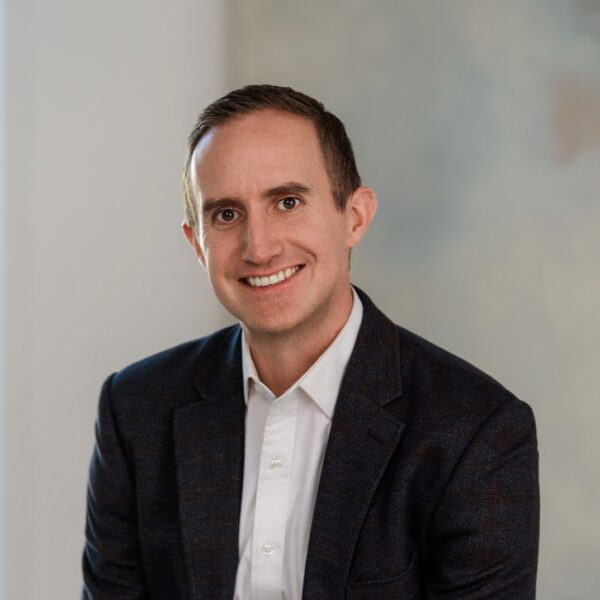
Morgan Housel
Author | Host, The Psychology of Money
Morgan Housel is the New York Times Bestselling author of The Psychology of Money, The Art of Spending Money, and Same As Ever. His books have sold over 12 million copies and have been translated into more than 60 languages. He is a two-time winner of the Best in Business Award from the Society of American Business Editors and Writers, and winner of the New York Times Sidney Award. MarketWatch named him one of the 50 most influential people in markets. He's a partner at The Collaborative Fund and serves on the board of directors at Markel.

Peter Mallouk
President & CEO, Creative Planning
Peter Mallouk is the President and CEO of Creative Planning, one of the largest independent wealth management firms in the country. He hosts Icons and Ideas, candid conversations with the world's leading entrepreneurs, founders and changemakers.
Related episodes
 Ep · 18
Former Psychologist for the Navy SEALs Dr. Eric Potterat: How Elite Performers Train Their Minds
Dr. Eric Potterat · Former Psychologist for the Navy SEALs
 Ep · 17
70th Secretary of State Mike Pompeo: Iran, China, NATO and U.S. Foreign Policy
Mike Pompeo · 70th Secretary of State
 Ep · 16
Dimensional Founder David Booth: Investing, Market Uncertainty and True Wealth
David Booth · Dimensional Founder